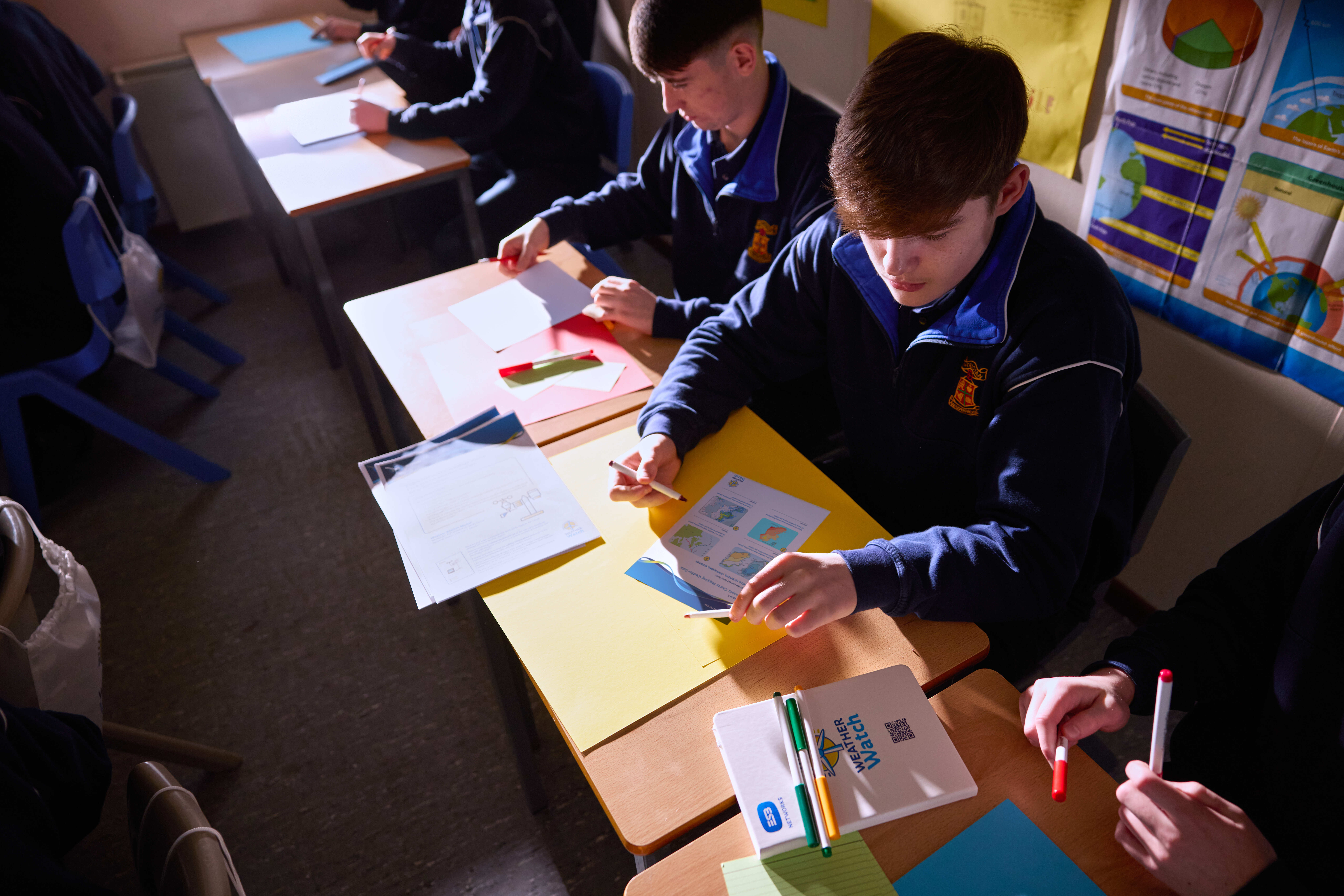
ESB Networks is proud to announce the launch of its new ‘Weather Watch’ schools programme aimed at supporting Junior Cycle and Transition Year Geography students to explore the links between weather patterns and renewable energy sources.
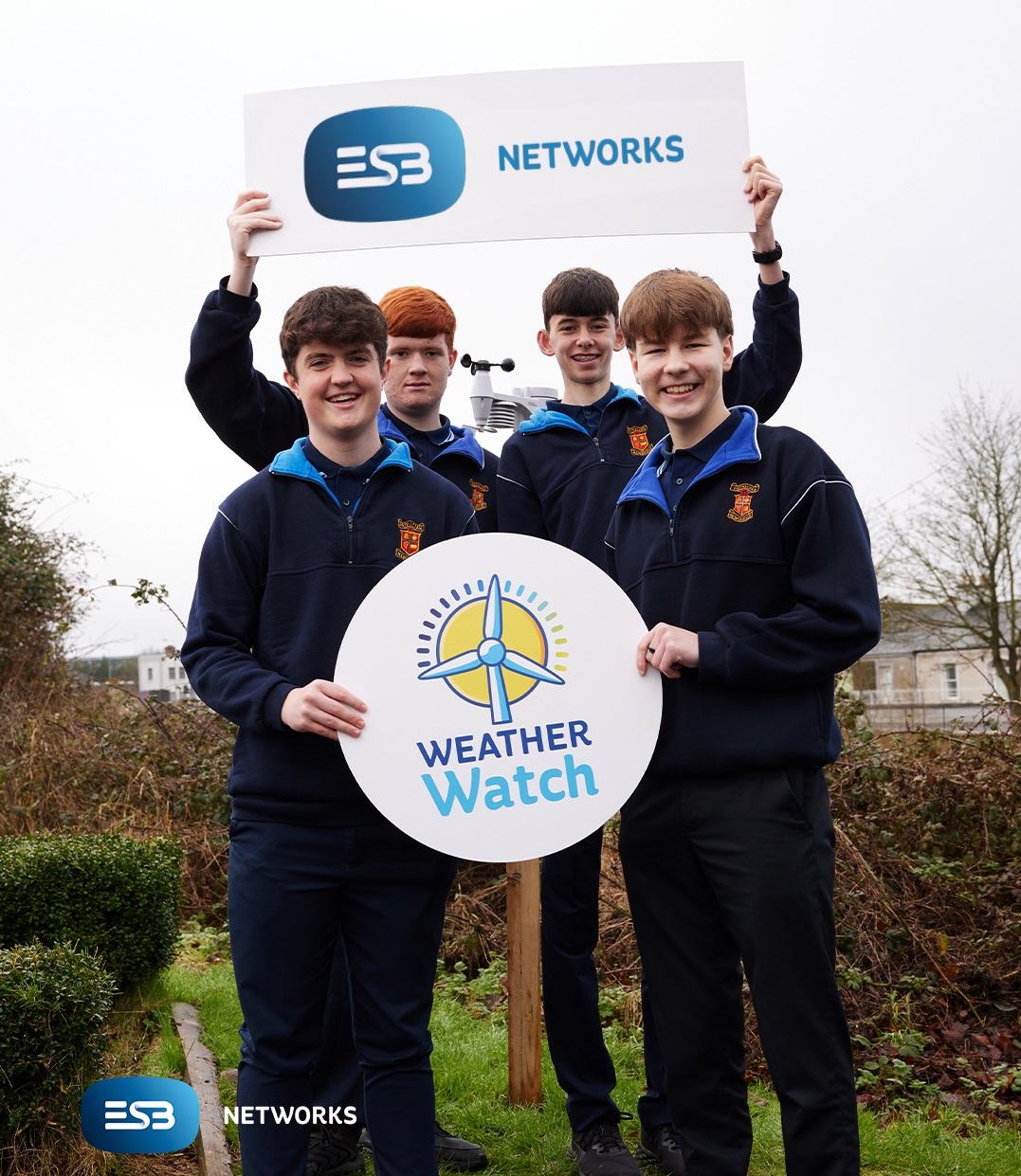
Over 90 schools nationwide, involving nearly 8,100 students, are taking part. Each participating school has received a free weather station, giving students hands-on experience to learn about energy, weather, and how it impacts electricity generation.
The programme encourages conversations beyond the classroom, helping students bring energy awareness into their homes. By creating discussions about energy use, the initiative encourages participation in ESB Networks’ “Is This a Good Time?” programme. This initiative supports tips about electricity consumption, helping people to make informed decisions about their electricity use, such as shifting electricity use away from peak times (5-7pm) or to times when there is surplus renewable energy available on the network.
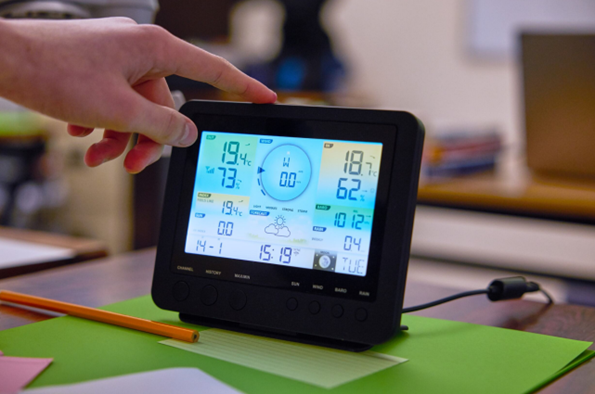
Through the use of outdoor weather stations and supporting learning materials, the programme links classroom theory with real-world applications. Each weather station comes with a digital display directly linked to the station, allowing students to gather learnings from within the classroom. The lessons teach students how weather like wind or solar, impacts renewable energy in practice – and how this can be used to help make more informed decisions on energy usage. Also, the weather station is linked to ESBNetworks.ie/weatherwatch, enabling each participating school to share their learnings.
The Weather Watch journey: schools' experience and insights
- Hands-on learning: Students use weather stations and learning materials to connect classroom lessons to real-life renewable energy.
- Skills development: Students will build skills in critical thinking, data analysis and problem-solving.
- Broaden sustainability mindset: With knowledge of sustainable energy practices, students can make a difference in everyday life and become leading advocates for change.
- Cross-curricular applications: The programme connects geography, maths, and environmental studies, helping students see how these subjects work together in the real world.
Here is what people are saying about the Weather Watch programme:
Lindsay Sharpe, Strategy and Customer Manager at ESB Networks, said:
“The ESB Networks Weather Watch schools programme is a pivotal initiative that empowers the next generation with the knowledge and skills to understand the critical role of electricity and weather in our daily lives. By engaging students in meaningful conversations and practical activities, we aim to foster a deeper understanding of renewable energy and its impact on electricity consumption. This programme not only educates but also inspires students to take proactive steps towards a sustainable future. The programme provides a new avenue to educate young people about energy and environmental efficiency allowing for interesting and active learning to take place.”